
How to Get Your Child Ready for Kindergarten This Summer
By Sue Schindler, Kindergarten Teacher, The Boys’ Latin School of Maryland
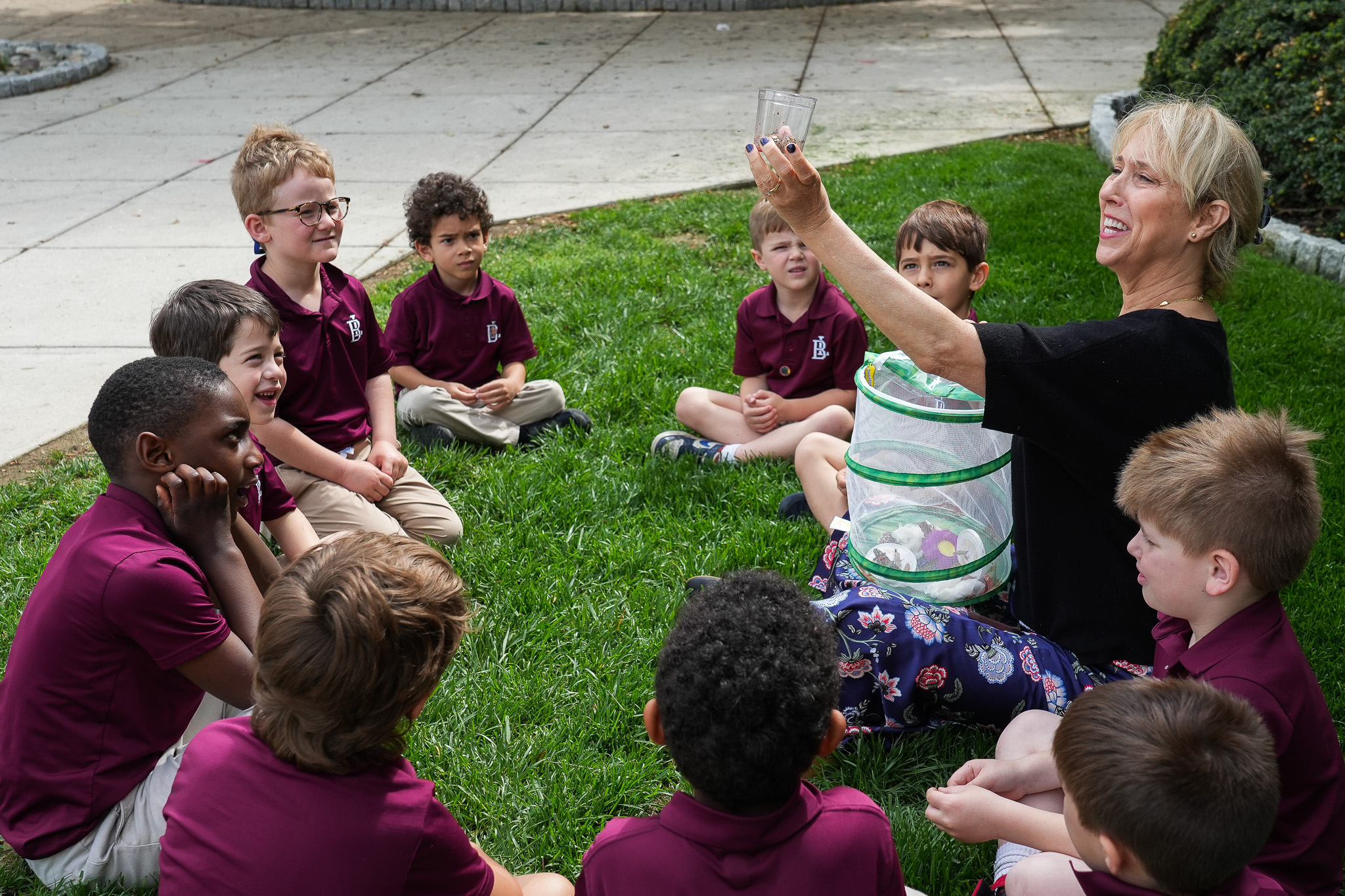
As a Kindergarten teacher, my answer may surprise you. Kindergarten readiness isn’t about how many sight words your child knows or whether they can recite the alphabet from memory. We know these academic skills will develop throughout the school year. Instead, the most important things children can bring into kindergarten are curiosity, strong listening skills, a trusting relationship with their parents and teacher, and a love of learning.
Kindergarten is a year of tremendous growth from the first day of school to the last. Most children enter not yet reading and leave ready for first grade, reading and writing full sentences. Throughout the year, they will learn, grow, and gain confidence in ways that are appropriate for their age and stage of development. We also know that children develop at different rates, and that’s ok!
If there’s one thing I wish every parent knew before their child starts kindergarten, it’s this: relax and trust the process. Instead of pulling out workbooks and flashcards this summer, I encourage families to focus on a few simple things that will help set their child up for a successful kindergarten year.
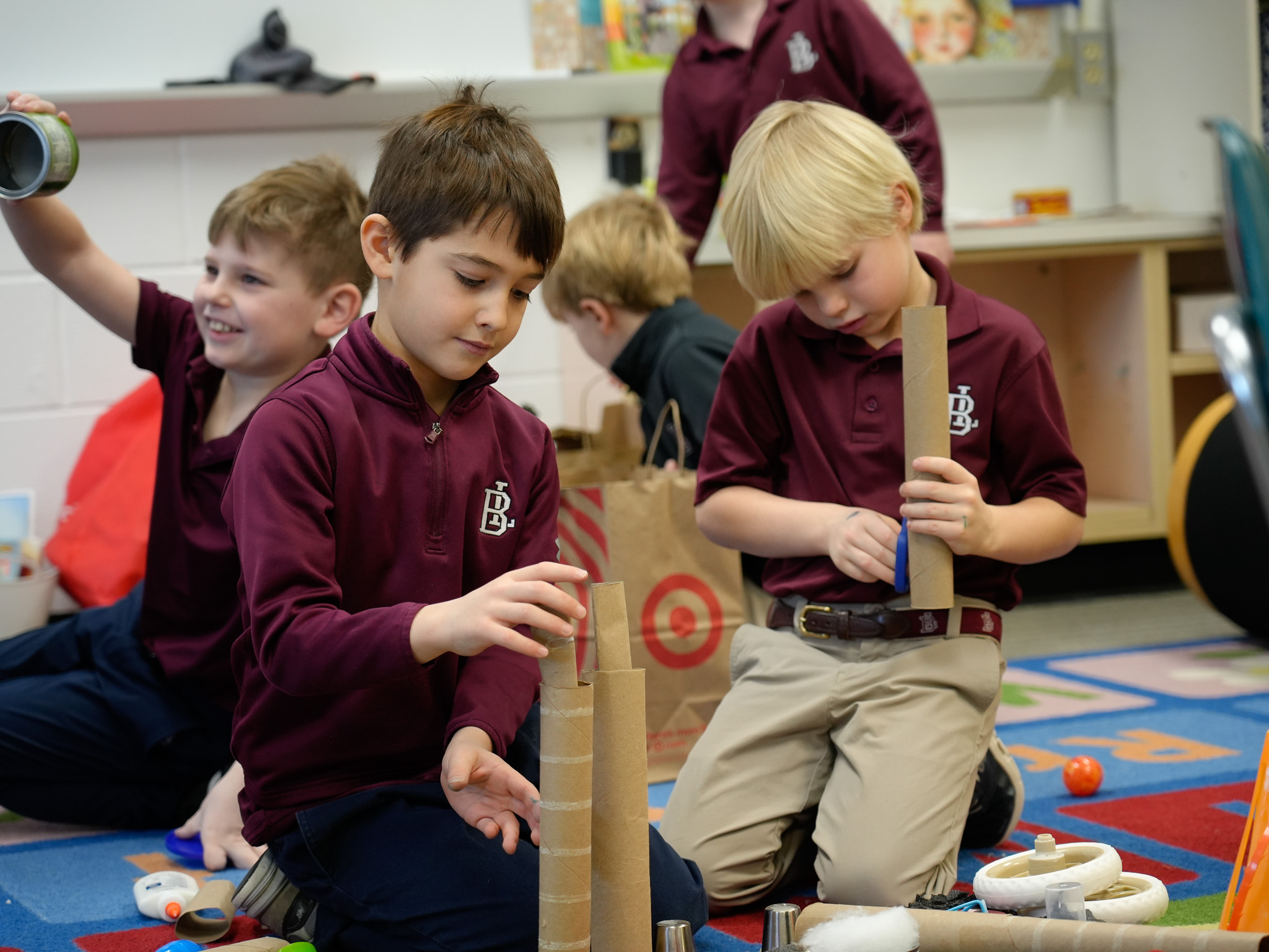
More important than academic skills are social-emotional skills like waiting your turn, sharing, listening to teachers and classmates, persisting with tasks, and building social awareness.
Our children need to begin kindergarten understanding that there are rules and expectations at school and at home that help keep everyone safe and support learning. I want them to practice showing empathy, taking turns, and learning how to navigate challenges with others. They also need to learn how to accept boundaries and follow adult guidance. These social-emotional skills create a strong foundation for learning—the most important foundation to establish in kindergarten and one that supports a child’s academic growth for years to come.
It’s important as parents to support your children at home in learning how to recognize and begin to manage their emotions, cope with frustration, and regulate their bodies so they can stay engaged in learning. These skills are critical not only for academic success but also for building positive relationships.
Build Listening Skills Through Everyday Activities
If I had to choose one academic skill for parents to focus on before kindergarten, it would be auditory comprehension. We live in a world full of visual screens. Children who can listen, understand, and respond to information are better prepared for classroom learning. One of the easiest ways to build this skill is by reading aloud to your children every day. You can also give simple directions, ask questions about stories, and engage your child in meaningful conversations. Strong listening skills help children learn in every subject area. My advice for parents this summer: turn off the screens, and instead spend time with your child reading and talking with them.
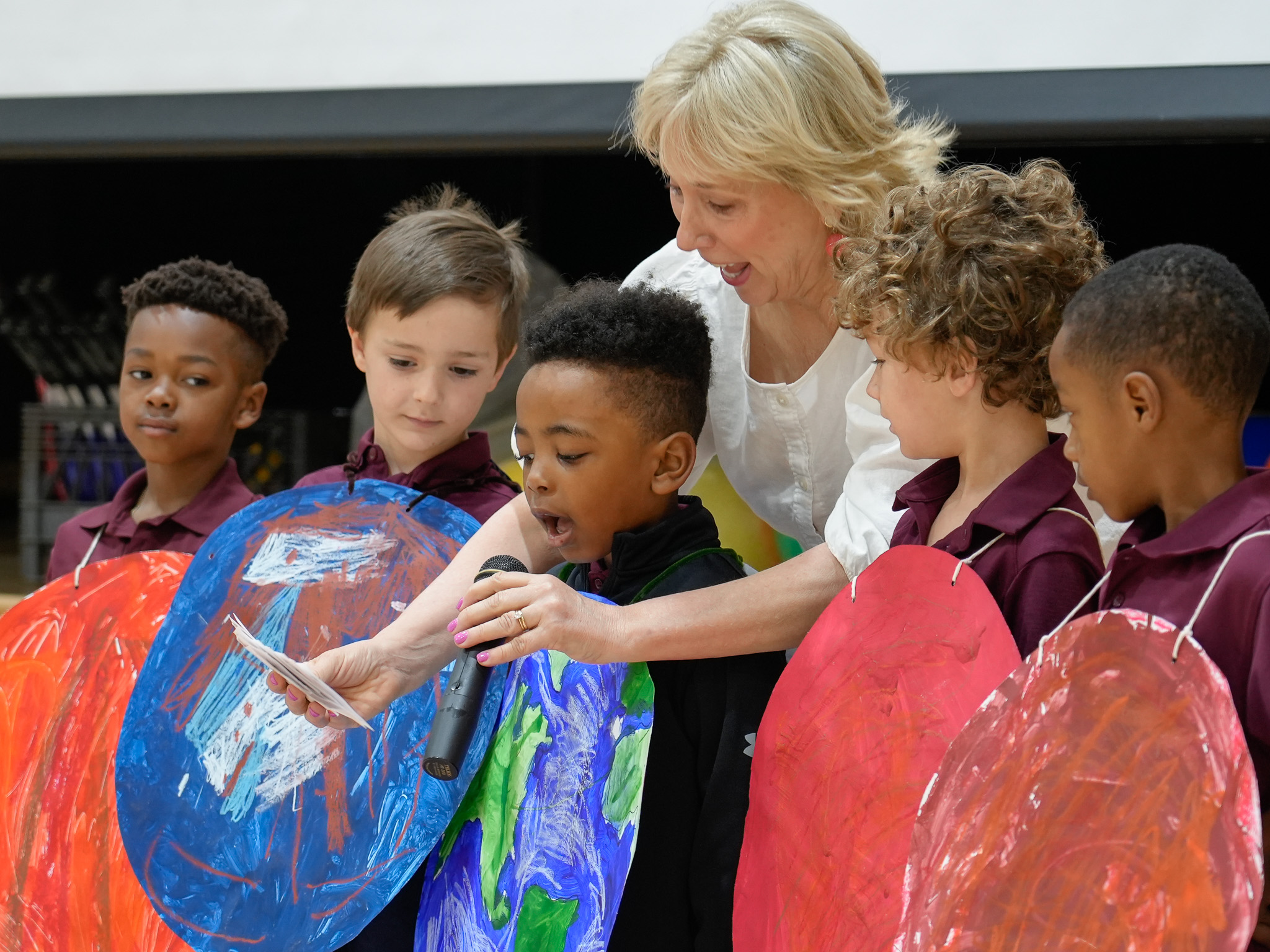
Summer break is a great time for kids to build their vocabulary. Take walks together and talk about what you see. Play games of “I Spy” while in the car. Visit a park, a garden, or a museum and discuss your surroundings. Ask questions. Encourage your child to describe what they notice. These will build talking points and a robust vocabulary that will be a great foundation for learning to read and write in kindergarten.
The more opportunities children have to hear and use language, the more confident communicators they become.
Strengthen Fine Motor Skills Through Play
Fine motor development is incredibly important because it helps children gain the strength they need to hold pencils, crayons, and scissors comfortably.
The good news is that building these muscles can be fun. I encourage activities such as:
- Building with Legos
- Cutting with child-safe scissors
- Playing with clay or play dough
- Stringing beads
- Manipulating small toys and objects
- Any toys or games using small pieces such as Lite-Bright and board games
When children develop these skills through play, they often feel more successful and confident when they begin classroom activities. The most important thing parents should remember is to keep these activities fun, leading to a joy in writing and drawing.
Practice Routines and Transitions
Kindergarten is full of routines and transitions. Children move from one activity to another throughout the day, and these shifts can be challenging. One of the most important things I would like to impart on parents is to prepare their children to make these moments.
One strategy I often recommend is using a visual timer at home. For example, if it’s time to clean up the playroom, set the timer and let your child know that when the color disappears, it’s time to transition to the next activity. Practicing at home can help children feel more successful when they enter the classroom.
Encourage Independence and Curiosity
I also encourage families to give children opportunities to help around the house and solve problems independently. As parents, it can be tempting to step in and fix things right away, or make it easier for them. Children build confidence when they learn to work through challenges on their own. Give them an age appropriate chore, such as watering the plants or feeding a pet. Allowing them to practice problem-solving helps prevent learned helplessness and encourages resilience.
Most importantly, nurture their natural curiosity. Play games together, read books that interest them, talk about the world around you. Some of the best learning happens during simple everyday moments when children have your full attention.
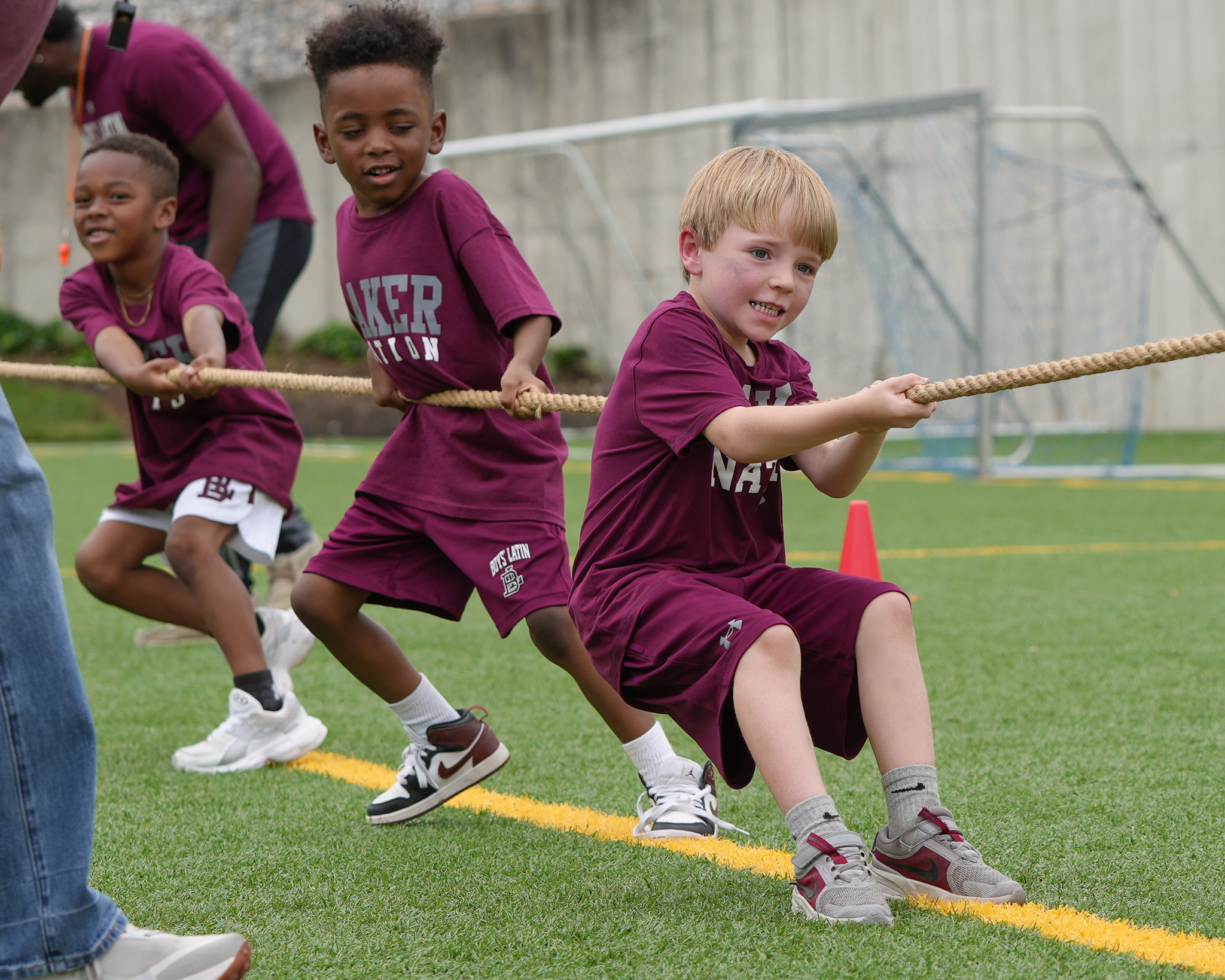
I often look at kindergarten success as a team effort: the teacher, the parent and the student working together as a unified team. As a teacher, I recommend that incoming parents proactively establish a positive and friendly relationship with the new teacher. We want to learn about your child: what interests them, what challenges them, this is all part of the puzzle we put together as teachers. Go to the new parent orientations, send a friendly email introducing yourself, and don’t hesitate to let the teacher know of any concerns you may have.
What Kindergarten Readiness Really Looks Like
When I think about a kindergarten-ready child, I don’t picture someone who has mastered every letter or number. I picture a child who is curious about the world, shows kindness toward others, understands that there are expectations and routines, and comes to school rested and ready to learn.
Every year, what excites me most about welcoming a new kindergarten class is getting to know each child’s unique personality, interests, strengths, and perspective. Every child brings something special to the classroom. Watching them grow in confidence, build friendships, develop new skills, and discover a love of learning is one of the greatest joys of my job.
As the first day of kindergarten approaches, remember that your child does not need to know everything and at this age, they shouldn’t! They simply need a strong foundation, a supportive partnership between home and school, and the opportunity to keep growing.